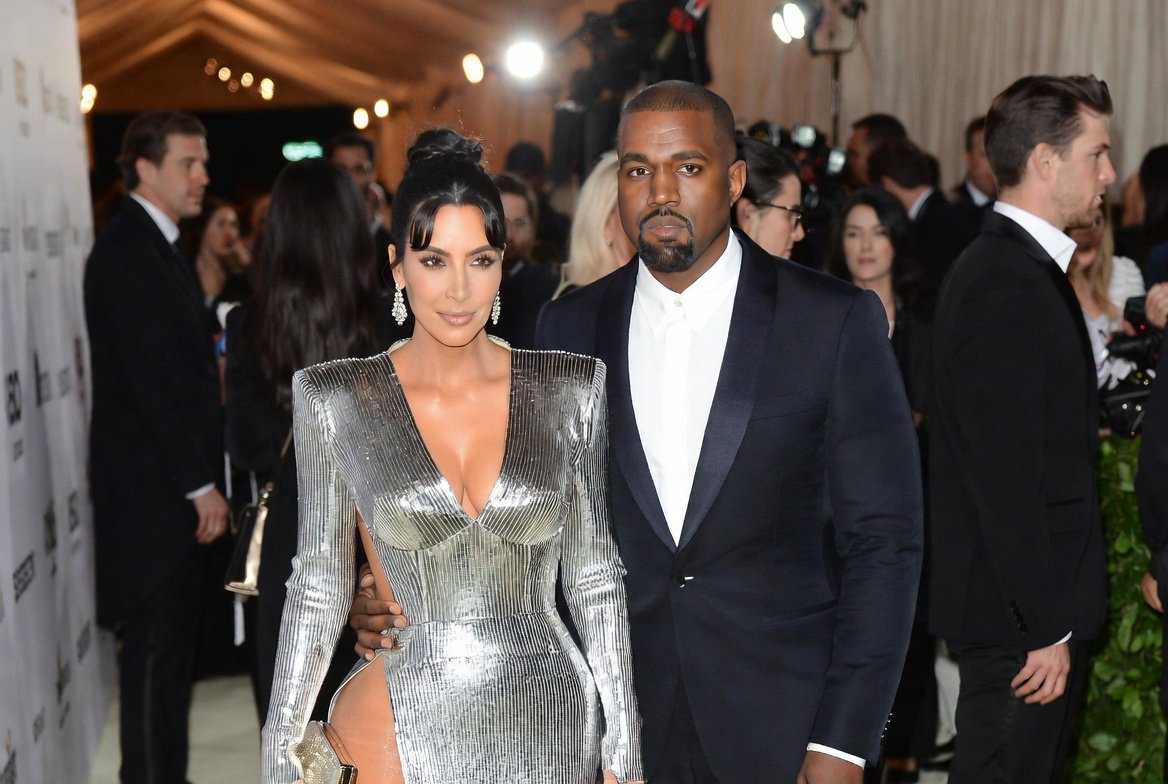
Kim Kardashian Kanye West are one of the most talked-about couples in the world. Their love story, family life, and public moments have caught the attention of fans everywhere. From glamorous red carpet events to shocking news headlines, kim kardashian kanye west have always stayed in the spotlight. People want to know about their relationship, their kids, their fashion choices, and even their business ventures. The media follows their every move, and social media explodes whenever they post something new. Fans are curious about how they met, how they fell in love, and what makes their relationship unique.
There is also a lot of attention on their personal struggles, including marriage challenges and public controversies, which makes their story even more fascinating. Their influence is not just about celebrity life; it reaches fashion, music, and even social culture. Kim Kardashian is famous for her reality TV shows and successful businesses, while Kanye West is known for his music and creative vision. Together, kim kardashian kanye west represent a combination of fame, power, and style. They inspire many people but also face criticism from others. Every news about them goes viral quickly because of their massive fan following and the curiosity people have about their personal life.
From lavish vacations to family gatherings, every aspect of their lives is covered by news outlets, magazines, and online platforms. They are also known for making headlines with their bold fashion choices, public statements, and charity work. Fans follow them not only for entertainment but also to understand how celebrities manage fame, relationships,
The Complete Story of Kim Kardashian Kanye West: From Love to Fame
Kim Kardashian Kanye West are one of the most famous couples in the world. They first met many years ago and quickly became the center of attention. Their love story is full of glamour, drama, and public moments that everyone talks about. Kim is known for her reality TV shows and businesses, while Kanye is famous for his music and creative ideas. Together, they became a power couple with fans around the world. People watch their red carpet appearances, social media posts, and public events. Their fame grew with each milestone, from dating news to wedding celebrations. The couple has inspired fashion, music, and entertainment trends. Fans and media follow their lives closely. Every update about them goes viral quickly. Their story shows how love, fame, and creativity can work together. Even with challenges, they remained in the spotlight. Their journey is exciting, inspiring, and sometimes controversial, keeping fans engaged. Kim Kardashian Kanye West have become icons of modern celebrity culture, and people cannot stop talking about them.
Kim Kardashian Kanye West Relationship Timeline: Key Moments You Should Know
Kim Kardashian Kanye West have had a relationship full of memorable moments. They started dating and quickly became a headline-making couple. Their engagement and wedding were watched by millions of fans worldwide. Over the years, they celebrated anniversaries, vacations, and important events that kept everyone interested. Their relationship has had ups and downs, including public rumors and personal challenges. Even so, they always attracted media attention and social media discussions. Fans love to follow their love story, seeing how they interact in public and private life. They also share updates about their family and work, giving a peek into their personal lives. Each year, they make headlines with new achievements, events, and surprises. Their love story is a mix of romance, fame, and drama that people enjoy watching. The timeline of their relationship shows growth, challenges, and unforgettable moments. Kim Kardashian Kanye West continue to be one of the most talked-about couples in the world.
Family Life of Kim Kardashian Kanye West: Kids, Homes, and Vacations
Kim Kardashian Kanye West have a big and loving family that fans love to follow. They have children who often appear in social media posts and family photos. Their homes are luxurious and full of style, reflecting their taste and personality. Vacations are another big part of their life, as they travel to amazing places around the world. Fans enjoy seeing their family moments, celebrations, and special occasions. Despite busy schedules, they spend time together and share memories with the public. Their family life shows both fun and challenges, giving a glimpse into how they balance fame and personal life. People admire how they care for their children and each other. From holidays to birthdays, family moments are always shared and talked about. Kim Kardashian Kanye West make family life look exciting and glamorous while still showing love and togetherness. Their children, homes, and vacations are part of what makes them a relatable yet famous family.
Fashion and Style of Kim Kardashian Kanye West: How They Set Trends
Kim Kardashian Kanye West are known for their amazing fashion sense. Kim often wears stylish outfits that inspire fans everywhere. Kanye also has a unique style that reflects his creativity and personality. Together, they set fashion trends that many people try to follow. From red carpet events to casual street looks, they always make headlines. Fashion magazines and blogs constantly talk about their outfits and accessories. Fans love seeing how they match, experiment with colors, and choose bold designs. Their style is a mix of luxury, elegance, and modern trends. Even small choices like shoes, bags, or sunglasses are noticed by the public. Kim Kardashian Kanye West influence clothing, makeup, and overall appearance trends. Their fashion choices show confidence and individuality. Many people admire their sense of style and try to copy their looks. They show how fashion can be both creative and personal while leaving a big impact on pop culture.
Business Ventures of Kim Kardashian Kanye West: Brands and Success Stories
Kim Kardashian Kanye West are not just famous for their personal life; they are smart businesspeople too. Kim has beauty and fashion brands that sell worldwide. Kanye is known for his music, shoes, and creative projects. Together, they have created businesses that are successful and influential. Their ventures show how fame can be used to grow companies and ideas. Fans and aspiring entrepreneurs look up to them as examples of hard work and innovation. They often combine creativity, style, and marketing to make their projects popular. Their businesses reflect their personalities and public image. From product launches to collaborations, everything they do attracts attention. Kim Kardashian Kanye West show that celebrities can build strong brands while managing fame. Their business success inspires many people to try their own ideas. They prove that dedication, creativity, and fame can lead to amazing achievements in life.
Public Life and Controversies of Kim Kardashian Kanye West
Kim Kardashian Kanye West have a public life full of excitement and challenges. They often make news for their appearances, social media posts, and interviews. Sometimes, controversies happen, and fans or media discuss them for days. Despite challenges, they handle public attention well and continue their work. Their controversies show how fame comes with both rewards and pressures. People admire how they stay confident even when critics talk about them. They also use their public image to support causes, help communities, and share their opinions. Fans enjoy the mix of excitement, drama, and inspiration in their lives. Public life is never easy, but Kim Kardashian Kanye West manage it with style and grace. Their fame makes them role models, trendsetters, and sometimes lessons for others. They show how to live life in the spotlight while facing both admiration and criticism.
How Kim Kardashian Kanye West Influence Pop Culture Today
Kim Kardashian Kanye West have a huge influence on pop culture today. People follow their fashion, music, and family life. Their trends are copied by fans around the world. Social media posts from them go viral within hours. They also inspire other celebrities, brands, and content creators. Their influence is seen in clothing, music, beauty, and lifestyle. Fans look at what they wear, what they say, and even how they live. They have changed how people see celebrity culture, making it more interactive and visible. Kim Kardashian Kanye West also use their fame for social causes, showing responsibility alongside popularity. Their actions, style, and ideas shape trends in modern culture. They continue to be leaders in entertainment, fashion, and social influence. Their impact on pop culture is clear and continues to grow every year.
Conclusion
Kim Kardashian Kanye West are more than just celebrities; they are a global phenomenon. Their love, family, fashion, and business make them interesting to millions of fans. They show how fame can be powerful but also comes with challenges. Despite controversies, they keep inspiring people with their style, creativity, and ideas. Fans watch their every move and learn lessons about love, growth, and success. Their story is exciting, inspiring, and full of surprises. Kim Kardashian Kanye West prove that dedication, talent, and teamwork can create a lasting impact on the world. They remain icons who influence not just fans but culture itself.
FAQs
Who are Kim Kardashian and Kanye West?
Kim Kardashian and Kanye West are a famous celebrity couple. Kim is known for her TV shows and business. Kanye is a famous singer and creative artist. Together, they have influenced fashion, music, and pop culture.
Do Kim Kardashian and Kanye West have children?
Yes, they have children. Fans love seeing their family moments and vacations. They often share family photos on social media, showing love and togetherness.
What businesses do Kim Kardashian and Kanye West have?
Kim has beauty and fashion brands, while Kanye has music projects, shoes, and creative ventures. Both have successful businesses that inspire many people.