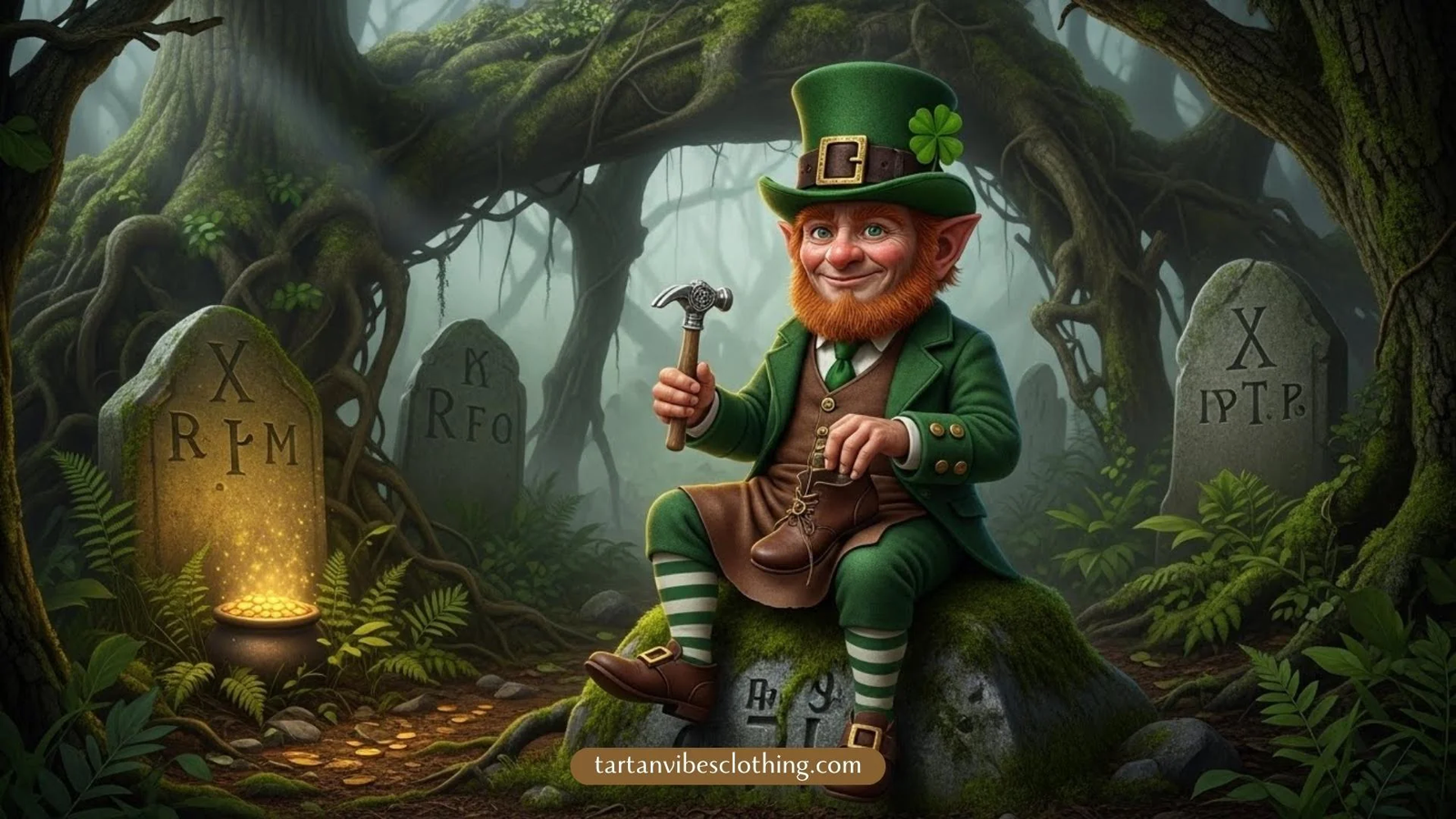
Legends of hidden treasure have fascinated humanity for centuries. Stories of secret vaults filled with gold, mysterious guardians protecting priceless gems, and magical beings safeguarding unimaginable wealth have been passed down through generations. Among the most charming and enduring of these myths is the tale of the leprechaun’s riches—a whimsical yet captivating symbol of fortune, mystery, and discovery. Though rooted in folklore, the idea of leprechaun treasure reflects a universal human fascination with precious materials, lost wealth, and the thrill of uncovering hidden wonders.
The image of a small guardian protecting a pot of gold at the end of a rainbow is more than just a fairy tale. It represents the human desire Leprechaun Riches for discovery, the excitement of chance, and the timeless allure of rare and valuable treasures. Across cultures and historical eras, people have sought precious metals and gemstones not only for their material worth but also for the sense of wonder and possibility they inspire.
The Folklore Origins of Leprechaun Treasure
The legend of the leprechaun originates from Irish folklore, where these small mythical beings were often depicted as clever tricksters and guardians of hidden wealth. According to traditional tales, leprechauns stored their gold in secret places, rewarding only those clever or fortunate enough to find it. Their treasure was often said to be concealed at the end of a rainbow, a symbol that further emphasized the magical and elusive nature of fortune.
These stories became popular not simply because of their fantasy elements, but because they tapped into deep human emotions. The idea that wealth might be hidden nearby, waiting to be discovered, sparks imagination and hope. Leprechauns personify both luck and mystery, suggesting that fortune is not always earned through strength alone but sometimes found through wit, persistence, and timing.
The treasure itself—usually depicted as pots of gold coins—reflects humanity’s historical reverence for precious metals. Gold has long symbolized wealth, power, and stability, making it a fitting centerpiece for tales of magical riches.
Gold: Humanity’s Eternal Treasure
Gold’s importance spans thousands of years. Ancient civilizations valued it for its beauty, rarity, and resistance to corrosion. Unlike other metals, gold does not tarnish, allowing it to maintain its radiant shine over centuries. This durability made it a symbol of immortality and divine power.
Kings and emperors adorned themselves with golden crowns and ornaments to display authority. Temples and sacred artifacts were decorated with gold to represent spiritual purity and reverence. Gold coins became standardized forms of currency, shaping global economies and trade networks.
The presence of gold in leprechaun legends reflects its universal status as the ultimate treasure. Even in modern times, gold remains a financial safe haven and a symbol of prosperity. Its shimmering surface continues to captivate collectors, investors, and artists alike.
Gemstones and the Magic of Color
Beyond gold, precious gemstones have also inspired stories of hidden riches. Diamonds, emeralds, rubies, and sapphires possess vibrant colors and remarkable brilliance that evoke feelings of awe. Ancient cultures often believed gemstones held mystical properties, associating them with protection, healing, and spiritual power.
Emeralds were thought to represent rebirth and fertility, rubies symbolized passion and vitality, and sapphires were linked to wisdom and divine favor. These beliefs enhanced the allure of gemstones, transforming them into objects of both material and symbolic value.
In mythical treasure tales, chests overflowing with colorful gems represent more than wealth—they symbolize abundance, wonder, and the extraordinary beauty of nature. The vivid sparkle of gemstones stimulates visual fascination, reinforcing their place in legendary discoveries.
Lost Treasures That Inspired Legends
Throughout history, real-life treasure discoveries have fueled the imagination behind mythical riches. Archaeologists have uncovered ancient tombs filled with gold artifacts, sunken ships carrying jeweled cargo, and forgotten vaults containing priceless relics.
These discoveries remind us that hidden wealth is not purely fictional. Civilizations have buried treasure to protect it during wars, while explorers have transported valuable cargo across dangerous seas. The mystery surrounding lost fortunes adds excitement to tales of hidden riches guarded by magical beings.
Legends of leprechaun treasure echo these real events, blending historical possibilities with fantasy elements. The combination of truth and myth creates stories that feel both believable and enchanting.
The Psychology of Hidden Wealth
Humans are naturally drawn to the idea of hidden treasure because it represents possibility and reward. The search for something rare and valuable stimulates curiosity and imagination. Treasure hunting symbolizes adventure, discovery, and the hope of transformation through fortune.
This fascination may stem from ancient survival instincts. Early humans searched for scarce resources such as food, water, and minerals necessary for survival. The thrill of finding valuable materials likely triggered strong emotional responses, reinforcing the desire to seek hidden riches.
Leprechaun legends mirror this psychological pattern. The elusive nature of their treasure suggests that fortune favors persistence and cleverness. The journey becomes just as important as the reward itself.
Rainbows and the Symbolism of Hope
The rainbow, often linked to leprechaun treasure, carries powerful symbolism. Across cultures, rainbows represent hope, renewal, and connection between worlds. Their fleeting appearance makes them mysterious and magical.
The idea that treasure lies at the rainbow’s end emphasizes the dreamlike nature of fortune. It suggests that wealth is not easily obtained but appears after storms have passed. This symbolism reinforces optimism and perseverance.
Rainbows also enhance the visual magic of treasure tales. Their vibrant spectrum mirrors the colorful brilliance of gemstones, connecting natural beauty with mythical riches.
Cultural Variations of Treasure Guardians
While leprechauns are central to Irish folklore, many cultures feature guardians of hidden wealth. Dragons in European myths protect hoards of gold, while ancient temples were believed to contain cursed treasures watched by spiritual forces. These guardians symbolize the challenges associated with obtaining fortune.
Such myths teach that wealth often requires effort, wisdom, or moral integrity. Treasure is rarely given freely; it must be earned through bravery or intelligence. Leprechauns, though mischievous, reflect this idea by rewarding those who outsmart them.
These recurring themes highlight humanity’s belief that fortune is intertwined with character and determination.
Modern Interpretations of Mythical Riches
Today, the concept of mythical treasure continues to thrive in entertainment, literature, and digital media. Stories of hidden riches inspire adventure films, fantasy novels, and immersive games that capture the excitement of discovery.
Modern interpretations preserve traditional symbols—gold coins, sparkling gems, mystical guardians—while adapting them for contemporary audiences. The imagery remains powerful because it taps into universal desires for success, exploration, and reward.
The charm of leprechaun riches lies in their balance of whimsy and aspiration. They invite audiences to imagine extraordinary possibilities while celebrating timeless symbols of prosperity.
The Emotional Value of Precious Discoveries
Precious discoveries carry emotional weight beyond their monetary value. Finding treasure symbolizes achievement, luck, and life-changing opportunity. It represents the culmination of effort and the realization of dreams.
This emotional resonance explains why treasure legends endure. They inspire hope that unexpected fortune may appear in life’s journey. The sparkle of gold and gems becomes a metaphor for personal triumph and happiness.
Leprechaun tales capture this emotional essence through playful storytelling that appeals to both children and adults. Their treasures symbolize joy as much as wealth.
Conclusion: The Timeless Magic of Hidden Riches
The world’s fascination with leprechaun riches reflects humanity’s enduring love for precious discoveries. Gold’s radiant permanence, gemstones’ vibrant beauty, and the thrill of hidden treasure connect ancient traditions with modern imagination.
These legends endure because they speak to universal emotions—curiosity, hope, and the desire for reward. Whether rooted in folklore or inspired by real discoveries, tales of magical riches celebrate the wonder of possibility.
Leprechaun treasure reminds us that life’s greatest rewards often lie beyond the horizon, waiting to be discovered by those who dare to search. In every sparkle of gold and glimmer of gemstone, we see reflections of history, imagination, and humanity’s timeless pursuit of fortune.